Quintessential and ageless – these are the words that best describe the timeless appeal of traditional furniture. While trends in design ebb and flow, traditional furniture has remained a constant, continuing to hold its place as a staple in homes across generations. Traditional design does not mean outdated or irrelevant. On the contrary, traditional styles are cherished for their durability and lasting beauty, which is why they have stood the test of time. If you’re someone who enjoys the warmth and elegance of traditional pieces, you can create a home that feels welcoming and timeless, yet still reflective of modern sensibilities.
Traditional furniture is built on classic forms, sturdy craftsmanship, and fine materials, making it as functional as it is beautiful. Unlike fleeting design trends, traditional pieces are designed with longevity in mind. A well-crafted mahogany dresser, a leather armchair, or a polished wood dining table can look just as striking today as it did decades ago. These pieces are not bound by the seasons of fashion but instead rely on the enduring principles of proportion, balance, and craftsmanship that ensure their appeal never fades. When you invest in traditional furniture, you are investing in quality that will last a lifetime and even become a cherished heirloom.
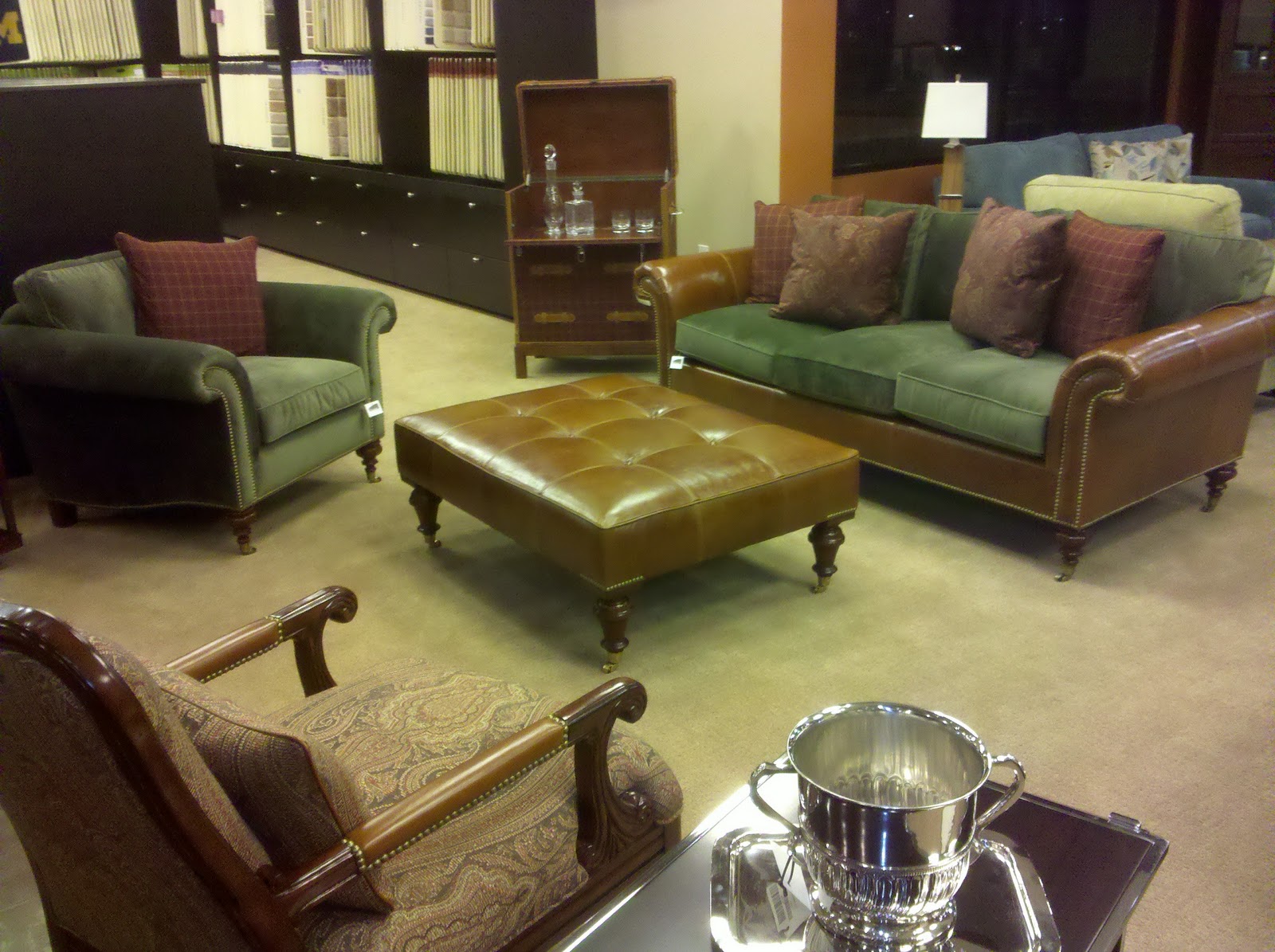
Creating a traditional-style home doesn’t require a museum-like atmosphere full of antiques or heavy, ornate pieces. Rather, it’s about incorporating elements that give your space depth, warmth, and a sense of history. Start with the details – the intricate carvings on a cabinet, the graceful lines of a tufted armchair, or the simple yet elegant style of a classic wooden side table. These details bring character and personality to the room while remaining timeless in their design. Traditional furniture tends to be understated, yet each piece has its own story to tell, from the curves of the legs to the texture of the fabric or wood finish. It’s these subtle design elements that elevate a room, adding richness without overwhelming the space.
When designing a traditional home, it’s important to remember that traditional does not mean “static” or “stiff.” Instead, it’s about achieving a balance between past and present. Traditional pieces can be mixed with modern touches to create a living environment that feels fresh and contemporary while still grounded in timeless tradition. For instance, pair a classic Chesterfield sofa with a sleek modern coffee table or add a contemporary abstract painting to a room with antique wooden bookshelves. These juxtapositions keep the space dynamic, breathing new life into the traditional elements and giving the room a more personal, lived-in feel.
Traditional furniture can also be an anchor for creating a sense of comfort and intimacy in your home. It evokes a sense of history and continuity, creating a space that feels settled and harmonious. There is something inherently comforting about the rich tones of wood, the plush textures of upholstery, and the structured lines of traditional designs. These pieces have a way of drawing people together, whether it’s around a traditional dining table for a family meal or in a cozy sitting room with a leather club chair and warm lighting.
The key to incorporating traditional furniture into your home is in the details. Pay attention to the craftsmanship and the subtle nuances in the design. Notice the gentle curve of a chair’s arms, the graceful wood grain of a cabinet, or the hand-finished details that make each piece unique. These small but important elements give traditional furniture its enduring charm and allow it to elevate your space, no matter what the current design trends may be.
Another benefit of traditional furniture is its versatility. It can seamlessly blend into virtually any interior style, whether it’s a formal living room, a cozy bedroom, or a casual kitchen. It’s all about finding the right balance and incorporating the pieces that speak to you. A traditional bookshelf can house your favorite novels and treasures, while an antique-style coffee table can serve as both a functional centerpiece and an artistic statement. In the end, traditional furniture is about creating a space that feels welcoming, timeless, and true to your unique taste.
Ultimately, the essence of traditional furniture is its ability to stand the test of time. It’s a style that transcends trends and evolves with your lifestyle. Whether you’re drawn to the elegance of carved wood, the comfort of classic armchairs, or the simple beauty of wooden dining tables, traditional pieces have a way of adding depth and character to your home. So, if you’re drawn to the rich history and enduring charm of traditional furniture, embrace it – and know that these timeless pieces will continue to grace your home for years to come.