
We spend a massive portion of our lives indoors, yet we rarely consider how the physical structures around us shape our psychological state. When we feel anxious, fatigued, or chronically stressed, we tend to look at our jobs, our schedules, or our relationships for answers. While those are valid factors, environmental psychologists are discovering that a major culprit might be the exact space you are sitting in right now. Bad interior design is not just an aesthetic issue. It is a persistent psychological stressor that can trigger a fight or flight response without you even realizing it.
According to a comprehensive environmental design study published by Marymount University, interior spaces directly impact emotional well-being because our brains constantly process visual cues to determine if an environment is safe or threatening. A room with poor flow, harsh lighting, or overwhelming visual noise acts as a constant, low grade irritant to the nervous system. Over time, this aesthetic friction contributes to elevated cortisol levels, disrupted sleep patterns, and increased levels of anxiety.
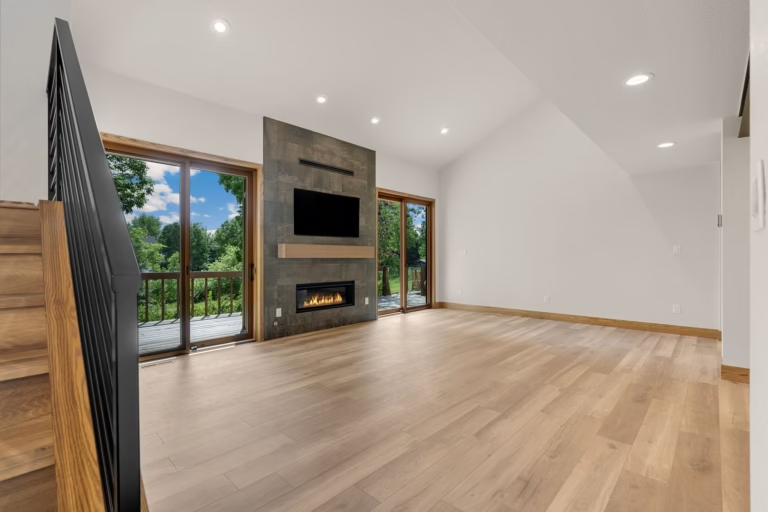
The Psychology of Space
Your brain is hardwired to seek safety, comfort, and predictability in its surroundings. When an interior layout fails to provide these elements, it creates cognitive fatigue. For instance, if you have to awkwardly navigate around a poorly placed coffee table or squeeze past a doorway every single day, your brain registers that minor obstacle as a micro stressor. Multiply that by dozens of daily interactions with a poorly designed space, and you get a home environment that drains your energy rather than replenishing it.
This issue has become particularly prominent in Northern Colorado, where residents deeply value the restorative power of the outdoors. When local homes are built with stark minimalism, poor spatial circulation, or isolated floor plans that cut off views of the natural landscape, the contrast can feel incredibly jarring. This misalignment often prompts local homeowners to search for answers about why their indoor environments feel restrictive or unsettling.


The Core Elements of Toxic Design
To understand how bad design compromises your mental health, we have to look at the individual components that make up a space. Researchers identify three primary elements that influence psychological well-being indoors: spatial layout, lighting quality, and color psychology. When these components are mismanaged, they create a perfect storm for emotional distress:
Cluttered and Disorienting Layouts: High density furniture arrangements and poor traffic flow create a feeling of being trapped or claustrophobic.
Inadequate or Harsher Lighting: Overreliance on cool, overhead fluorescent bulbs can disrupt circadian rhythms, mimicking the high stress alertness of an institutional setting.
Achromatic or Over-Saturated Environments: Living in an entirely stark, white box can lead to sensory under-stimulation and feelings of isolation, while overly bright, chaotic patterns can trigger sensory overload.

Reclaiming Your Space for Peace of Mind
Alleviating the mental burden of bad design does not require an immediate, expensive home renovation. Instead, it starts with intentional awareness. Start by evaluating how you feel in different zones of your home. Identify the areas where you naturally avoid spending time. Often, those abandoned corners are the places where design flaws are most concentrated.
In the upcoming posts in this series, we will break down the specific ways toxic design manifests in our homes and provide practical, actionable solutions to fix them. We will explore how color choices alter your mood, how lighting can rescue your sleep cycle, how to structurally conquer spatial clutter, and how to bring the healing power of the Colorado landscape indoors. Your home should be a sanctuary for your mind, not a source of stress. It is time to start designing it that way.