
Because a beautiful table is wonderful, but being able to pass the mashed potatoes without knocking over a wine glass is even better.
There’s something wonderful about gathering family and friends around the Thanksgiving table. There’s also something decidedly less wonderful about discovering halfway through dinner that nobody can reach the stuffing, Grandma’s chair is wedged against the wall, and the gravy boat has nowhere to land.
We’ve all seen those beautiful Thanksgiving tablescapes with elaborate centerpieces, perfectly folded napkins, and enough decorative gourds to fill a pumpkin patch. They’re lovely to look at, but there’s one rather important question: Where does the food go?
At Eheart Interior Solutions, we believe good design should make life easier, not more complicated. And that applies just as much to your Thanksgiving table as it does to your kitchen or living room.
A functional Thanksgiving tablescape starts with five considerations: how food will be served, how much space each guest needs, whether everyone can comfortably reach what they need, how the table’s materials will hold up, and how people will move around the dining area. Get those details right, and you can spend more time enjoying your guests and less time managing the dinner table.
1. Plan for the Food Before Setting the Table
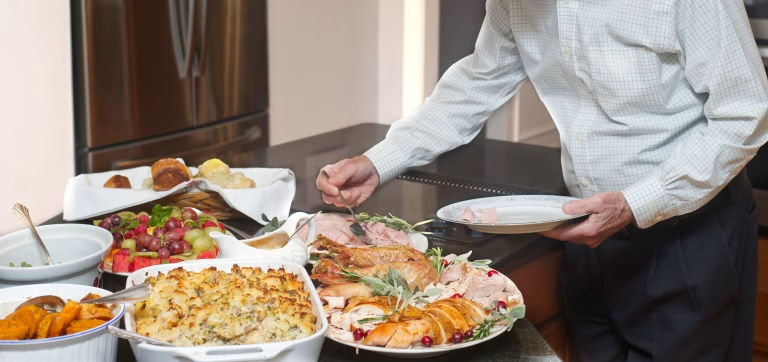
Thanksgiving dinner isn’t exactly a minimalist affair. Between the turkey, mashed potatoes, stuffing, sweet potatoes, green beans, rolls, cranberry sauce, and gravy, even a generously sized dining table can run out of real estate in a hurry.
Before setting a single plate, decide how you want to serve the meal.
If you’re planning a traditional family-style dinner with dishes passed around the table, consider how much room those dishes will require. A large centerpiece might look beautiful before dinner, but it becomes considerably less charming when everyone is trying to find somewhere to set down a casserole.
For larger gatherings, a buffet-style arrangement may be more practical. A kitchen island, sideboard, or separate serving table can keep the main dining table clear while allowing guests to help themselves.
A few things worth considering:
Keep serving utensils with their corresponding dishes.
Place commonly requested items, such as butter, salt, and gravy, where guests can easily reach them.
If your table is especially long, consider placing smaller portions of frequently used items at both ends.
Make sure hot dishes have appropriate trivets or heat-resistant pads underneath them.
The goal isn’t to squeeze everything onto the table. It’s to make serving dinner feel effortless.
2. Give Everyone Enough Elbow Room
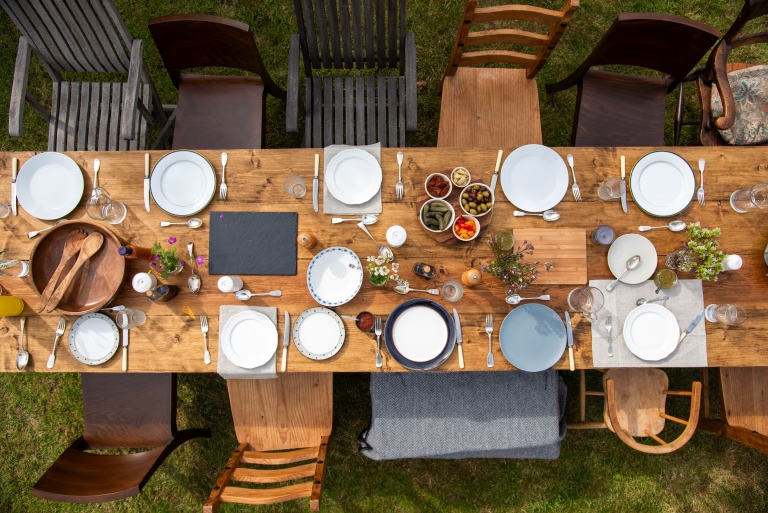
Just because you can fit twelve chairs around a table doesn’t necessarily mean twelve people can comfortably eat there.
As a general guideline, plan for approximately 24 inches of table edge per person, although 28–30 inches offers a little more breathing room, especially when serving a large meal. The USDA’s dining-area planning guidance also discusses how seating dimensions and circulation space affect dining comfort.
Remember, your guests need room for more than just a dinner plate. There are glasses, silverware, napkins, bread plates, and the occasional enthusiastic elbow gesture during a good story.
And don’t forget what’s happening behind those chairs.
Ideally, allow at least 36 inches between the edge of the dining table and nearby walls or furniture. More room is helpful where people need to walk behind seated guests.
If adding an extension leaf or temporary table means everyone has to stand up whenever someone needs seconds, it may be worth reconsidering the arrangement.
Sometimes two smaller tables are more comfortable than one overcrowded table. And honestly, the kids might be delighted to have their own space.
3. Make It Easy to Pass the Potatoes (and Everything Else)
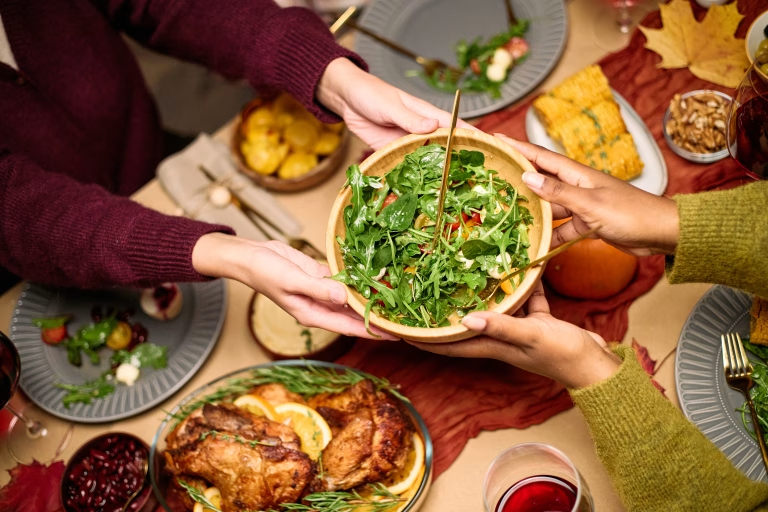
A beautifully arranged table isn’t particularly functional if everyone has to stretch across three place settings to reach the rolls.
Think about the actual movement of food during dinner.
For a long rectangular table, consider whether guests can reasonably pass serving bowls without awkward reaching. Smaller serving dishes placed strategically along the table may work better than one enormous bowl stationed at the far end.
A few practical details can make a surprising difference:
Choose serving dishes that are easy to lift and pass.
Keep water pitchers within reach without crowding place settings.
Avoid overfilling heavy serving bowls.
Use stable containers for sauces, dressings, and gravy.
Leave clear spaces where guests can temporarily set down dishes.
And while we’re discussing the middle of the table, let’s talk about centerpieces.
There’s nothing wrong with a lovely arrangement, but your guests should be able to see one another across the table. Low arrangements generally work better for conversation, and they’re less likely to interfere with passing food.
After all, Thanksgiving is about connecting with the people sitting across from you, not peeking at them through a forest of decorative branches.
4. Consider Who’s Sitting at the Table
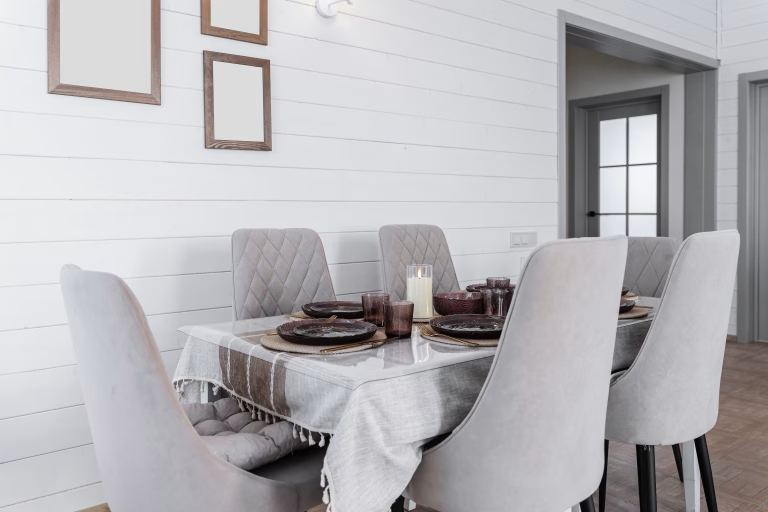
A dining chair that looks beautiful may not be particularly comfortable for someone who will be sitting through dinner, dessert, and another hour of conversation.
Consider the people you’re hosting.
Older guests may appreciate supportive seating that’s easy to get in and out of. Guests using walkers or other mobility aids may need additional clearance. Younger children may need appropriate seating that keeps them close to the adults helping them.
Be mindful of chairs with arms, too. They can provide welcome support, but they also require more room and may not fit beneath every table.
We’ve recently explored the importance of practical home features for aging in place, and holiday gatherings are a perfect example of why thoughtful design matters.
You don’t need to redesign your dining room for one meal. Sometimes, simply rearranging the chairs or adjusting the seating plan can make everyone feel more comfortable and included.
5. Protect Your Table Without Making It Precious
Thanksgiving can be surprisingly hard on furniture.
Hot casseroles, condensation from glasses, spilled wine, and the occasional runaway cranberry can all take a toll on a dining table’s finish.
Different materials respond differently to heat, moisture, and everyday wear. Wood, stone, glass, and manufactured surfaces each have their own care considerations.
For example, wood furniture can be particularly sensitive to direct heat and moisture. Using appropriate trivets, coasters, and protective mats helps safeguard the finish.
Here are a few simple precautions:
Use heat-resistant trivets beneath hot serving dishes.
Choose placemats or table linens that protect the surface without creating unstable stacks beneath dishes.
Wipe up spills promptly, following the manufacturer’s care recommendations.
Make sure folding or extension tables are sturdy and properly secured.
Avoid putting heavy serving platters near unsupported table edges.
Of course, protecting your furniture is important, but nobody wants to spend Thanksgiving worrying about every little spill.
The best approach is to prepare for the realities of a busy meal so everyone, including the host, can relax and enjoy themselves.
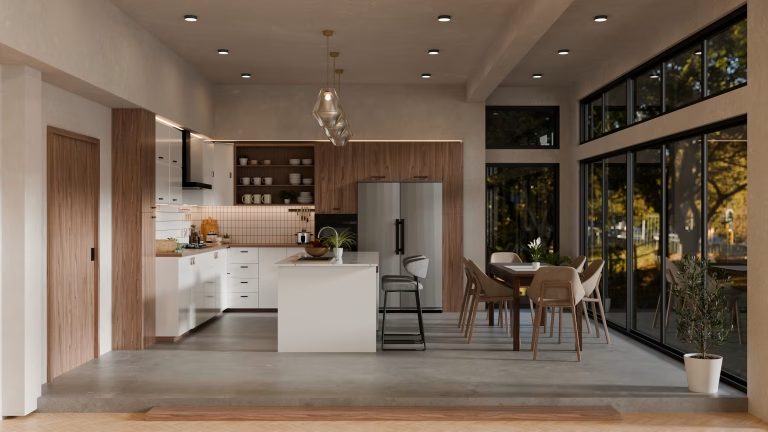
6. Don’t Forget About the Space Around the Table
The dining table may be the center of attention, but everything happening around it matters just as much.
Think about how guests will move between the kitchen, dining area, and other gathering spaces.
Where will people go for seconds? Is there a convenient place for extra napkins and utensils? Can someone carry a full plate from the serving area to their seat without navigating an obstacle course of extra furniture?
If you’re using a buffet, try to arrange dishes in a logical order: plates first, followed by the main course, side dishes, and utensils or napkins where they’ll be easy to collect.
And consider what happens when dinner is over.
Having a nearby surface available for empty dishes makes cleanup easier without interrupting conversation. A separate location for dessert and coffee can also help transition the gathering from dinner to a more relaxed evening.
One additional consideration: If food will remain out for guests to enjoy later, remember that serving arrangements also affect food safety. The USDA recommends keeping hot foods at or above 140°F and cold foods at or below 40°F, with perishable foods refrigerated within two hours if they aren’t being kept at safe temperatures.
That might not sound like interior design advice, but good planning is all about anticipating how a space will actually be used.
7. Do a Quick Trial Run Before Guests Arrive
Here’s one of our favorite practical suggestions: Set your table the day before, including the serving dishes you plan to use.
You don’t need to fill them with food. Just place the empty platters, bowls, gravy boats, and pitchers where they’ll go during the meal.
Then sit down.
Can you comfortably reach your glass? Is there room to pass a serving bowl? Can you pull out your chair without bumping into the person behind you?
Try walking between the kitchen and the dining table, too. You may discover that moving a chair six inches or relocating a serving platter solves a problem you hadn’t anticipated.
It’s much easier to make those adjustments on Wednesday afternoon than while carrying a twenty-pound turkey on Thursday.
A Table That Works Is a Table Worth Gathering Around
At the end of the day, nobody is going to remember whether your centerpiece was perfectly symmetrical or your napkins matched your table runner.
They’ll remember the wonderful food, the laughter, the conversations, and the feeling of being together.
At Eheart Interior Solutions, that’s how we think about design. Whether we’re helping someone plan a kitchen, select furnishings, or create a more comfortable and functional home, we believe beautiful spaces should also make everyday life better.
This Thanksgiving, don’t worry so much about creating the perfect tablescape. Focus on creating a table where everyone has a comfortable seat, the food is easy to share, and there’s plenty of room for one more helping of mashed potatoes.
From all of us at Eheart Interior Solutions, we wish you a wonderful Thanksgiving filled with good food, great company, and a home full of happy memories.
Frequently asked questions
These can be added near the bottom of the published article to address common search queries and provide concise, easily extracted answers for Google Search and AI Overviews.
How much table space should you allow per person for Thanksgiving dinner?
Allow approximately 24 inches of table edge per person as a starting point. For a more comfortable Thanksgiving meal with several dishes and glasses, 28–30 inches is preferable when space permits.
Should Thanksgiving dinner be served buffet-style or family-style?
It depends on the number of guests and the size of the dining table. Family-style serving encourages sharing but requires room for serving dishes. Buffet-style service frees up dining space and may work better for larger gatherings.
How do you set a Thanksgiving table without overcrowding it?
Prioritize dinnerware, glassware, and necessary serving items. Keep centerpieces low and minimal, move larger dishes to a sideboard if needed, and arrange commonly used items within easy reach.