
From flooring and lighting to bathroom accessibility, here’s what makes a home easier to live in as your needs change.
There’s something wonderful about a home you know like the back of your hand.
You know which stair creaks, where the afternoon sunlight comes through the windows, and exactly how to navigate the kitchen for a midnight snack without turning on every light.
But have you ever stopped to think about whether your home will be just as comfortable 10, 15, or 20 years from now?
In our previous article about aging in place, we talked about what it actually means to stay in your home as you grow older. Now, we’re getting a little more practical.
What features make a home better suited for aging in place? And how can you tell whether your current home has them?
We’re not talking about starting a remodel or turning your home into something that resembles a medical facility. We’re talking about recognizing the everyday features that can make a home safer, more comfortable, and easier to navigate throughout different stages of life.
And here’s the nice part: most of these features make life easier regardless of how old you are.
What Makes a Home Good for Aging in Place?
A home that’s well suited for aging in place offers easy access, safe flooring, usable bathrooms and kitchens, adequate lighting, accessible storage, and the flexibility to accommodate changing mobility or physical needs.
The goal is to make everyday activities comfortable and manageable while supporting independence.
According to the National Institute on Aging, evaluating a home room by room can help identify potential problems before they become significant safety concerns. Not every home needs every accessibility feature, and individual needs can change over time.
Here are nine areas worth considering.
- Entrances and Doorways: How Easy Is It to Get Around?
It sounds simple enough. Walk through the front door, head down the hallway, and go about your day.
But think about how that experience might change if you were recovering from surgery, using a walker, or having difficulty with balance.
The most important accessibility features include step-free entrances, adequate doorway widths, clear hallways, and easy-to-operate door handles.
When evaluating your home, consider whether:
- At least one entrance can be accessed without climbing stairs.
- Doorways and hallways offer enough space for mobility equipment.
- Thresholds between rooms create potential tripping hazards.
- Doors can be opened without excessive gripping or twisting.
- Furniture allows comfortable movement throughout the home.
The AARP HomeFit Guide identifies entrances, doorways, and circulation space as important aspects of creating a home that works for people of different ages and abilities.
And remember, accessibility isn’t exclusively about wheelchairs or walkers. It’s also about navigating the front door with groceries, moving furniture, or managing a temporary injury.
- Flooring: Is It Safe, Comfortable, and Easy to Navigate?
We love beautiful flooring at Eheart Interior Solutions. But choosing a floor based solely on appearance can overlook some important practical considerations.
Flooring suitable for aging in place should provide reliable traction, a stable walking surface, manageable transitions between rooms, and compatibility with the homeowner’s mobility needs.
Different flooring materials have different advantages.
Hard surfaces can be easier to navigate with certain mobility aids, but some become slippery when wet. Carpet may offer warmth and cushioning, while thick pile can make rolling mobility equipment more difficult.
Things worth considering include:
- Slip resistance: Especially in kitchens, bathrooms, and entryways.
- Floor transitions: Raised edges between rooms can create tripping hazards.
- Surface stability: Loose rugs, uneven flooring, and unsecured carpet can interfere with safe movement.
- Ease of cleaning: Flooring maintenance should remain manageable.
- Comfort: The surface should suit the people who use it every day.
The CDC identifies loose rugs, clutter, and uneven surfaces as environmental risk factors for falls among older adults.
One common question is whether carpet or hard-surface flooring is better for aging in place.
The answer depends on the individual. Someone using a wheelchair may have different priorities from someone primarily concerned about standing comfort or traction.
There isn’t one universally correct flooring material.
At Eheart, our flooring specialists in Fort Collins help homeowners understand the performance characteristics of flooring materials, not just how they look in a showroom.
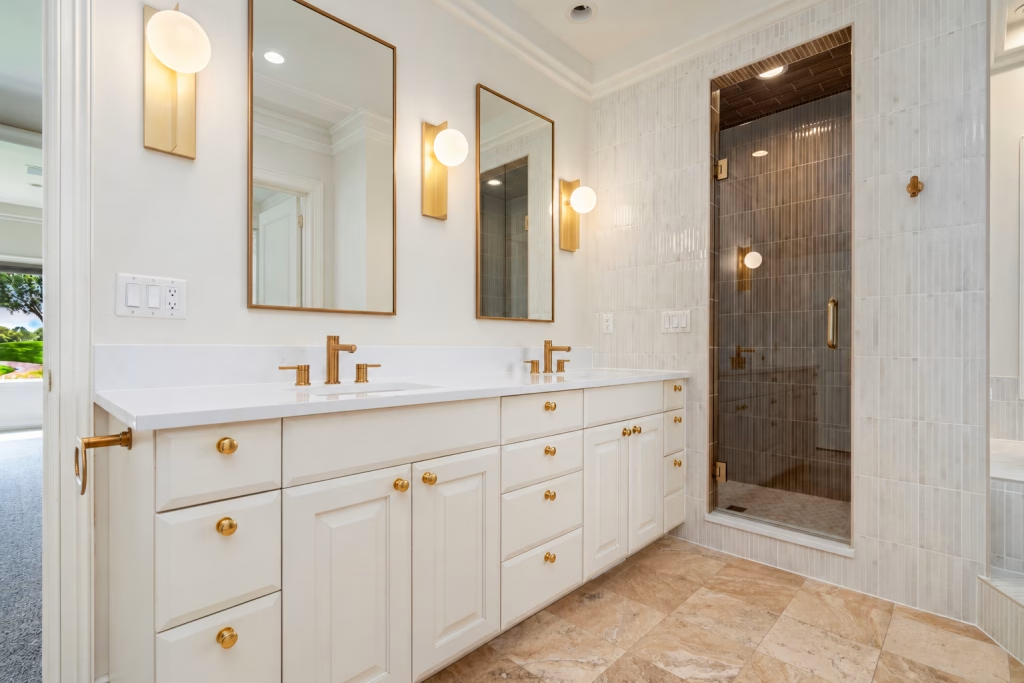
- Bathrooms: Can You Use the Space Comfortably and Confidently?
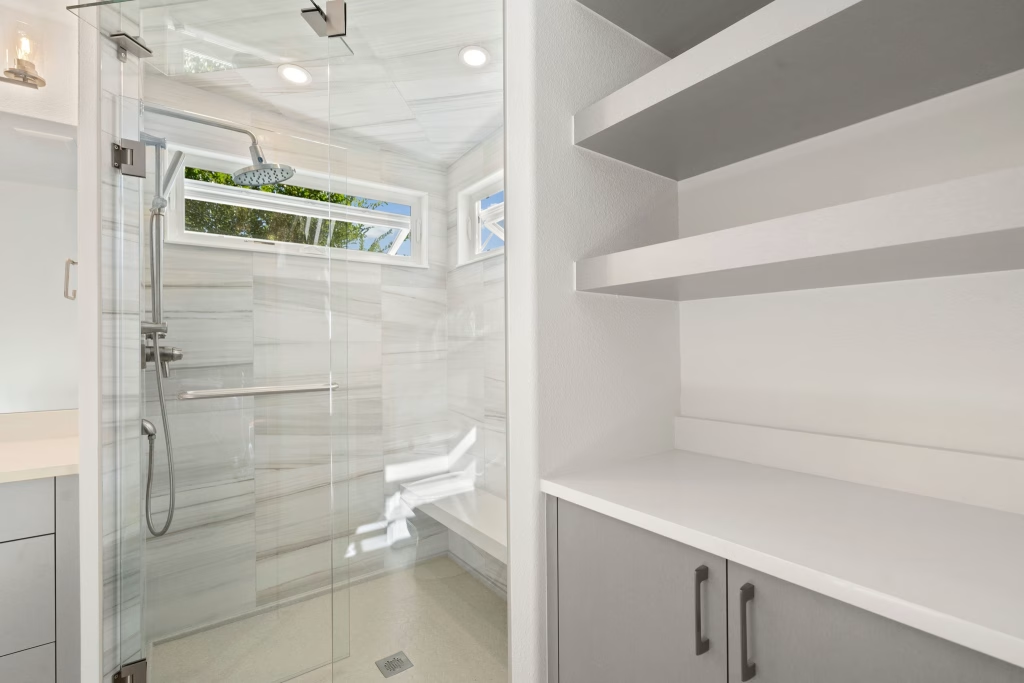
Bathrooms deserve special attention because they combine water, potentially slippery surfaces, and movements that require balance.
An aging-friendly bathroom should offer safe access to bathing facilities, sufficient room to move, stable support where needed, and fixtures that are comfortable to use.
When thinking about bathroom usability, ask yourself:
- Is the shower easy to enter and exit?
- Is there adequate space to move around the toilet and vanity?
- Are there secure places to hold onto when balance is a concern?
- Can faucets and shower controls be operated comfortably?
- Is the flooring sufficiently slip-resistant when wet?
- Could another person provide assistance in the bathroom if necessary?
That last question is especially important.
A bathroom might work perfectly well today but become difficult to use if someone eventually needs assistance bathing or getting dressed.
The CDC recommends bathroom grab bars and other fall-prevention measures to help reduce common household risks.
But practical doesn’t have to mean unattractive.
Our article, What Actually Makes a Bathroom Work Better?, explores how thoughtful layouts, lighting, and material selections influence a bathroom’s everyday usability.
- Kitchens: Does Everything You Need Feel Within Reach?
Have you ever pulled out a step stool to retrieve something from the top shelf of a kitchen cabinet?
Or crouched down to find a pot hiding at the very back of a lower cabinet?
Those little inconveniences can become much bigger frustrations over time.
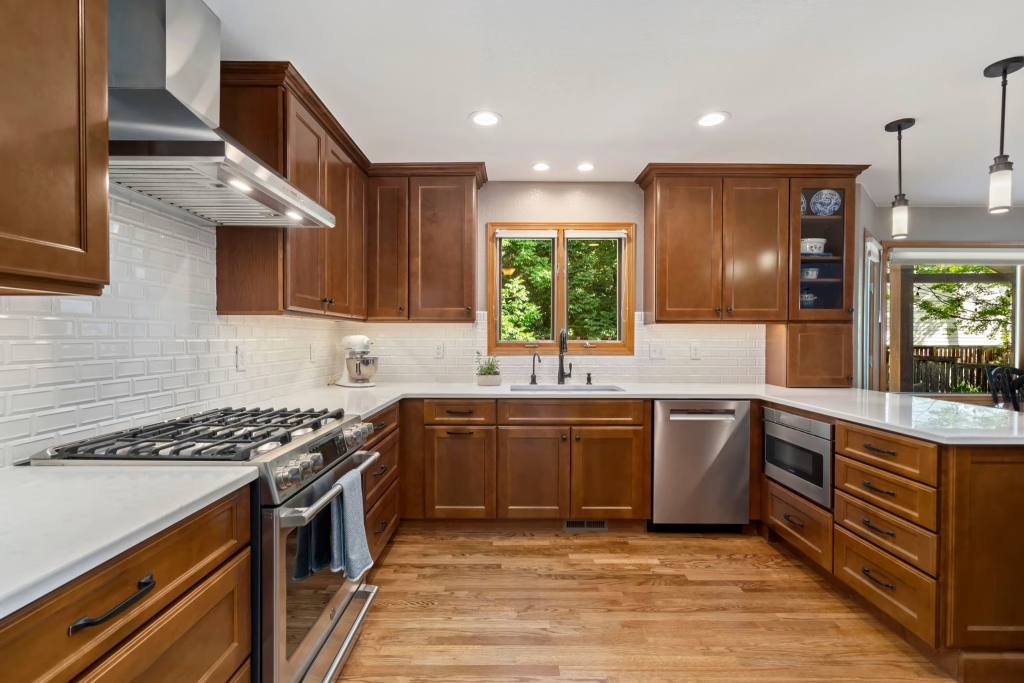
A kitchen that supports aging in place makes frequently used items accessible, allows comfortable movement, and minimizes unnecessary reaching, lifting, and bending.
Important features include:
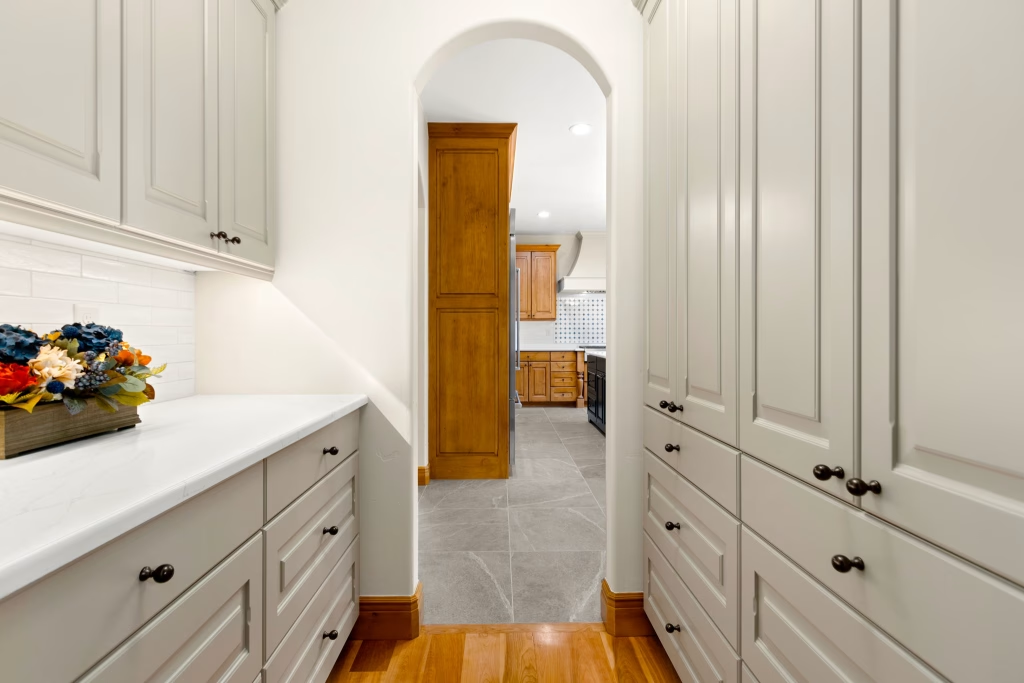
- Storage that keeps everyday items within comfortable reach.
- Drawers and cabinets that are easy to open.
- Countertops that accommodate different working positions.
- Appliances with accessible controls and convenient door positions.
- Enough space to move around comfortably.
- Adequate lighting for cooking and food preparation.
A kitchen can have an impressive amount of storage and still be difficult to use.
The question isn’t necessarily how much storage you have. It’s whether you can comfortably access it.
AARP’s room-by-room HomeFit resources address kitchen workspaces, storage accessibility, and everyday usability.
At Eheart, we’ve always believed the best kitchens are the ones that work for the people living in them. That philosophy becomes especially valuable when you’re thinking about your home’s long-term functionality.
- Lighting: Can You See Clearly Throughout Your Home?
Lighting is one of those things we don’t always think about until it becomes a problem.
As our vision changes with age, poor illumination, glare, and abrupt differences in brightness can make everyday activities more challenging.
Good aging-in-place lighting provides consistent illumination, reduces glare, and makes stairs, hallways, work areas, and frequently traveled paths easy to see.
Pay particular attention to:
- Stairways and changes in floor level.
- Hallways between bedrooms and bathrooms.
- Kitchen workspaces.
- Bathroom mirrors and shower areas.
- Entryways and exterior paths.
- Areas with strong afternoon sunlight or reflections.
According to the CDC’s guidance on vision impairment and falls, good lighting and easily accessible switches are important components of a safer home.
Natural light matters, too.
Large windows are wonderful, but bright sunlight can create glare that makes certain activities uncomfortable.
That’s one reason functional window coverings deserve consideration. Being able to manage sunlight, glare, and privacy can make a room more comfortable throughout the day.
And sometimes, something as simple as having a well-placed light switch makes an enormous difference.
- Stairs and Main-Level Living: Are Your Essential Rooms Accessible?
Not everyone needs a single-story home to age in place successfully.
However, the location of essential living spaces can affect whether a multilevel home remains practical.
A home is generally more adaptable when sleeping, bathing, cooking, and other essential activities can be accommodated without relying entirely on stairs.
Think about your daily routine.
Is your bedroom upstairs? Is the laundry in the basement? Is the only full bathroom on a different floor from your living space?
If using stairs became uncomfortable, what would that mean for your daily activities?
Features worth evaluating include:
- A main-floor bedroom or space that could serve as one.
- A full bathroom accessible from the primary living area.
- Laundry facilities that are convenient to reach.
- Secure stair railings.
- Clearly illuminated stairs and landings.
The National Institute on Aging’s room-by-room fall prevention guidance emphasizes secure handrails and adequate stair lighting.
A multilevel home can absolutely remain a wonderful place to live. The important consideration is how dependent everyday activities are on climbing stairs.
- Windows, Doors, and Everyday Controls: Are They Easy to Operate?
Sometimes the smallest things can become surprisingly frustrating.
Opening a stubborn window. Turning a round doorknob. Adjusting blinds with a difficult cord mechanism. Trying to read a tiny thermostat display.
These are all everyday tasks that can become challenging when hand strength, flexibility, dexterity, or vision changes.
Aging-friendly home controls should be easy to reach, understand, and operate without excessive physical effort.
Consider the usability of:
- Window latches and opening mechanisms.
- Door handles and locks.
- Light switches.
- Thermostats.
- Window coverings.
- Cabinet hardware.
- Faucets and appliance controls.
Automated features can provide additional convenience, but simplicity is just as important.
For example, motorized window shades can eliminate the need to reach awkwardly for controls. But an easy-to-use manual shade might be perfectly suitable for another homeowner.
The National Institute on Aging’s home safety resources encourage attention to accessible controls and comfortable-to-use fixtures.
At Eheart, we offer custom window coverings in Northern Colorado that combine light management with everyday functionality.
- Maintenance: Will Your Home Remain Easy to Take Care Of?
Here’s something that doesn’t receive nearly enough attention in conversations about aging in place: maintaining the home itself.
A home might be easy to navigate but still require a tremendous amount of physical work.
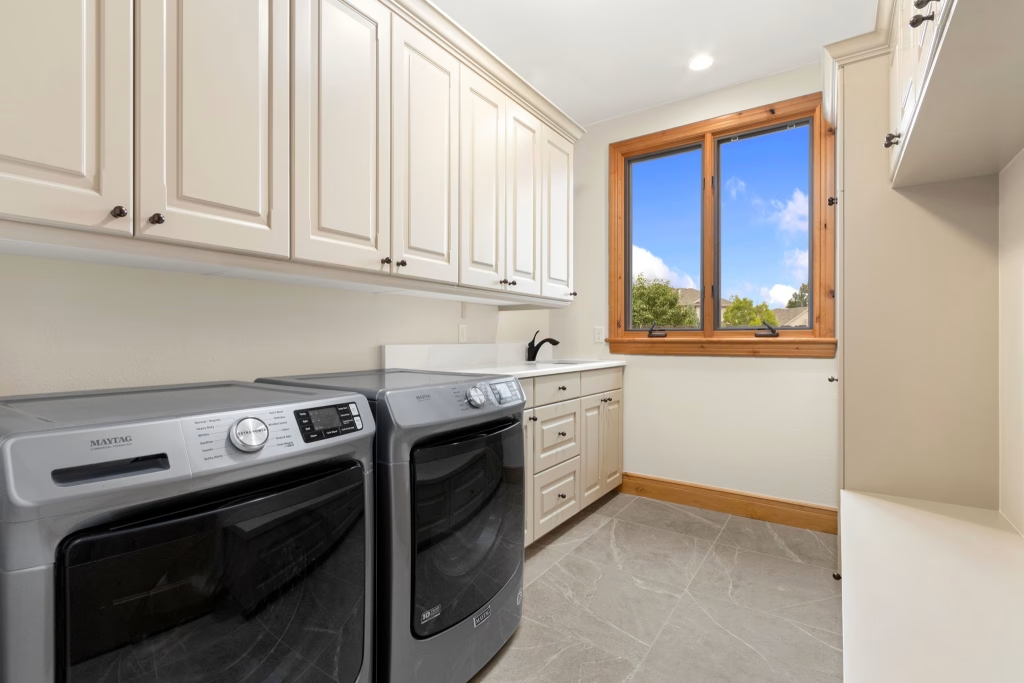
A manageable home has surfaces, fixtures, storage, and outdoor areas that can be cleaned and maintained without excessive climbing, lifting, bending, or physical strain.
Think about the tasks you perform every week.
- Are your floors easy to clean?
- Can you comfortably reach frequently used storage areas?
- Do your window coverings require awkward movements to maintain?
- Does household maintenance frequently involve ladders?
- Are outdoor tasks becoming physically demanding?
The National Institute on Aging recommends thinking ahead about household chores and the additional help that may be needed to remain at home independently.
This isn’t about giving up gardening or household projects.
It’s about recognizing that your home’s long-term suitability involves much more than its floor plan.
- Flexibility: Can Your Home Adapt as Your Needs Change?
Perhaps the most important quality of a home that’s suitable for aging in place is flexibility.
After all, nobody can predict exactly what they’ll need 10 or 20 years from now.
A flexible home can accommodate changes in mobility, daily routines, physical ability, and household needs without losing its comfort or usefulness.
For example:
- A home office might also function as a main-floor bedroom.
- An open living space may provide room for mobility equipment.
- A bathroom with generous circulation space may be more usable if assistance becomes necessary.
- Accessible storage may make everyday tasks easier regardless of physical ability.
The AARP HomeFit Guide emphasizes creating living spaces that work for people of different ages and abilities.
And that’s really the heart of aging in place.
You aren’t trying to predict every possible challenge. You’re thinking about whether your home can continue supporting the way you want to live.
Frequently Asked Questions About Aging-in-Place Home Features
Does a home have to be single-story to be suitable for aging in place?
No. A multilevel home can support aging in place, particularly when essential daily activities can be accommodated on an accessible level. The important consideration is whether stairs could become a barrier to using necessary rooms.
What is the most important room for aging in place?
There isn’t one universally most important room. Bathrooms, bedrooms, kitchens, and entrances all play significant roles. The most important features depend on the homeowner’s current mobility, daily routines, and potential future needs.
Is carpet or hard flooring better for aging in place?
Neither is automatically better. Low-pile, securely installed carpeting may work well for some homeowners, while firm, slip-resistant hard flooring may be more practical for others. Stability, traction, transitions, and ease of movement matter more than the flooring category alone.
Does aging in place require remodeling?
No. Aging in place means remaining in your home as you grow older. Some homes already have many desirable accessibility features, while others may require changes over time. The decision depends on individual needs and the home’s existing characteristics.
When should homeowners start thinking about aging-in-place features?
Ideally, before everyday activities become difficult. Reviewing accessibility, safety, and comfort while you’re healthy and active gives you more time to understand your home’s strengths and limitations.
Can an aging-friendly home still have a beautiful interior design?
Absolutely. Features like comfortable flooring, functional kitchens, well-planned lighting, accessible storage, and easy-to-use window coverings can complement a home’s aesthetic rather than detract from it.
Your Home Should Work for the Life You Want to Live
There’s a common misconception that planning for aging in place means preparing for a future filled with limitations.
We prefer to look at it differently.
It’s about preserving the things you enjoy.
Cooking dinner without struggling to reach the cookware. Moving comfortably from room to room. Enjoying the afternoon sunshine without uncomfortable glare. Having a beautiful bathroom that also feels safe and easy to use.
At Eheart Interior Solutions, we believe beautiful interiors should be just as functional as they are inviting.
Whether we’re helping someone explore flooring options, consider window coverings, or think through how their home functions, we appreciate that the best decisions begin with understanding how people actually live.
For homeowners in Fort Collins and throughout Northern Colorado, aging in place doesn’t have to be an overwhelming conversation.
It can begin with a simple question:
Does my home work well for me today, and will it continue to work well for me tomorrow?
Because the best home isn’t necessarily the biggest, newest, or most impressive.
It’s the one that continues to feel like home.
Explore Eheart Interior Solutions’ portfolio to see how beautiful, functional spaces can work together.