
What Is a Circadian Lighting Layout?
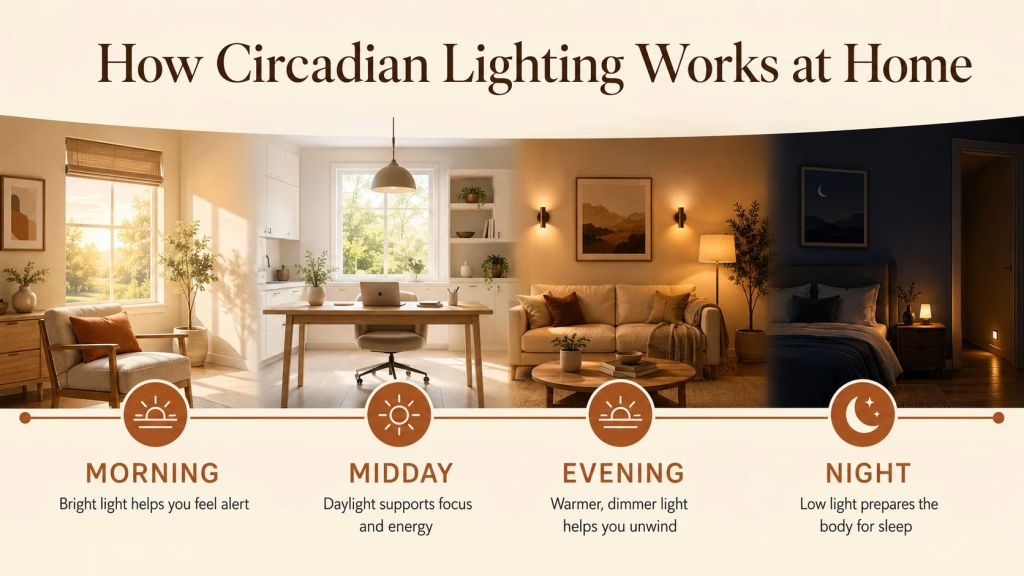
A circadian lighting layout is designed to work with your body’s natural 24-hour rhythm. In simple terms, it gives you brighter, more energizing light during the day and softer, warmer light in the evening.
Light also helps regulate your sleep-wake cycle. The WELL Building Standard’s guidance on circadian lighting explains that light received by the eyes helps synchronize physiological rhythms throughout the body. That is why a thoughtful plan considers both how a room looks and when you use it.
How Does Circadian Lighting Work in a Home?
Circadian lighting gives your body strong daytime cues, then reduces stimulating light as bedtime approaches. The International Commission on Illumination’s position statement on integrative lighting describes a healthy pattern as high light exposure during the day, much lower exposure during the three hours before bed, and near-darkness during sleep.
At home, that can be surprisingly simple:
- Morning: Open window coverings and use bright lighting in kitchens, bathrooms, and home offices.
- Midday: Make the most of daylight while controlling glare and excess heat.
- Late afternoon: Gradually lower the intensity of electric lighting.
- Evening: Use warmer table lamps, sconces, and indirect lighting instead of bright overhead fixtures.
- Night: Use low-level pathway lighting only where safety requires it.
Color temperature is only one piece of the puzzle. Brightness, timing, and fixture placement matter too.

Why Does Fixture Placement Matter?
Traditional lighting plans often focus on how much light reaches a countertop, desk, or floor. Circadian design also considers the vertical plane—in other words, the light reaching your eyes as you look forward.
Research prepared for the U.S. Department of Energy on circadian lighting design strategies found that light at the eye was strongly influenced by a person’s location and viewing direction relative to windows and electric light sources.
A bright ceiling fixture may illuminate a work surface without delivering the same useful light to your eyes. A well-planned layout considers where you sit, which direction you face, and whether lamps or windows create glare.

What Are the Best Circadian Lighting Layouts by Room?
Kitchen
Kitchens benefit from daylight and bright ambient light. Combine general illumination with under-cabinet and decorative fixtures on separate controls so the room can feel energizing in the morning and relaxed at night.
Bathroom
Place lighting beside the bathroom mirror to illuminate your face evenly and avoid harsh shadows. For nighttime visits, add a separate dim toe-kick, under-vanity, or shielded wall light so you do not have to turn on an intense overhead fixture.
Home Office
Position your desk to enjoy daylight without screen glare. Placing it perpendicular to a window often works well. Add an adjustable task lamp rather than asking one ceiling fixture to do every job.
Living Room
Living rooms need to adapt throughout the day. Layer ambient fixtures, sconces, floor lamps, and reading lights. Use brighter daytime settings; in the evening, settle in with warmer, lower-positioned lamps.
Bedroom
Bedrooms should feel calm in the evening and stay dark during sleep. Use bedside lamps, dimmable sconces, indirect lighting, and room-darkening window treatments. Choose shielded reading lights that illuminate the page without brightening the entire room.
Do You Need Tunable-White Lighting?
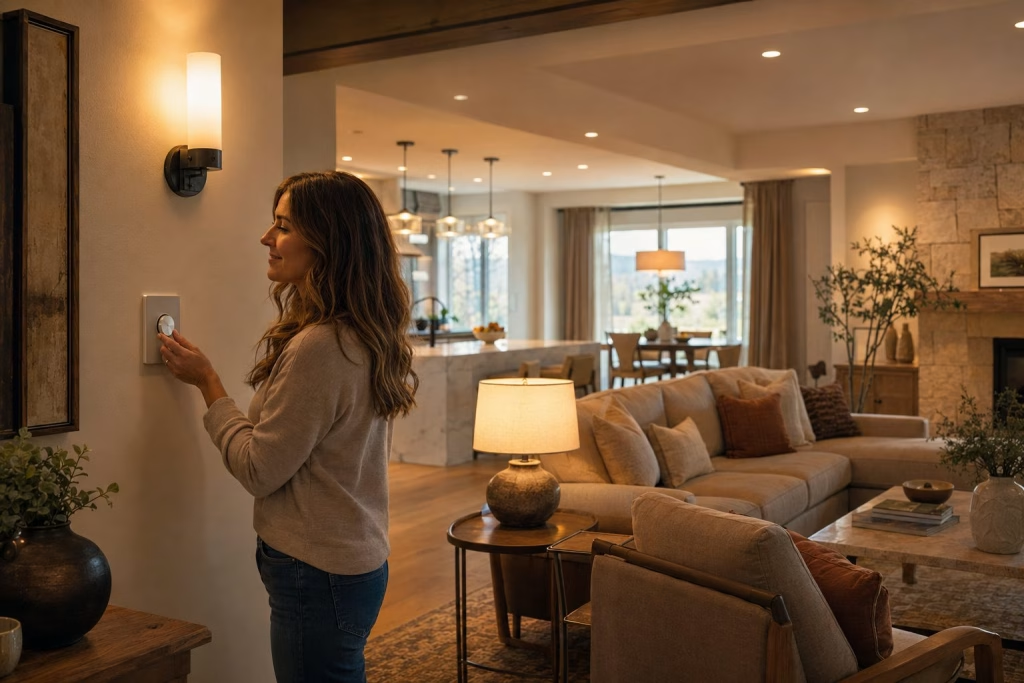
Not every home needs tunable-white fixtures that shift from cooler daytime light to warmer evening light. You can also create a circadian-friendly pattern with high-quality dimmable fixtures, multiple circuits, daylight, and a separate warm evening layer. The best choice depends on your routine, budget, and comfort with technology. Whatever you choose, the controls should feel intuitive.
How Do Window Coverings Support Circadian Lighting?
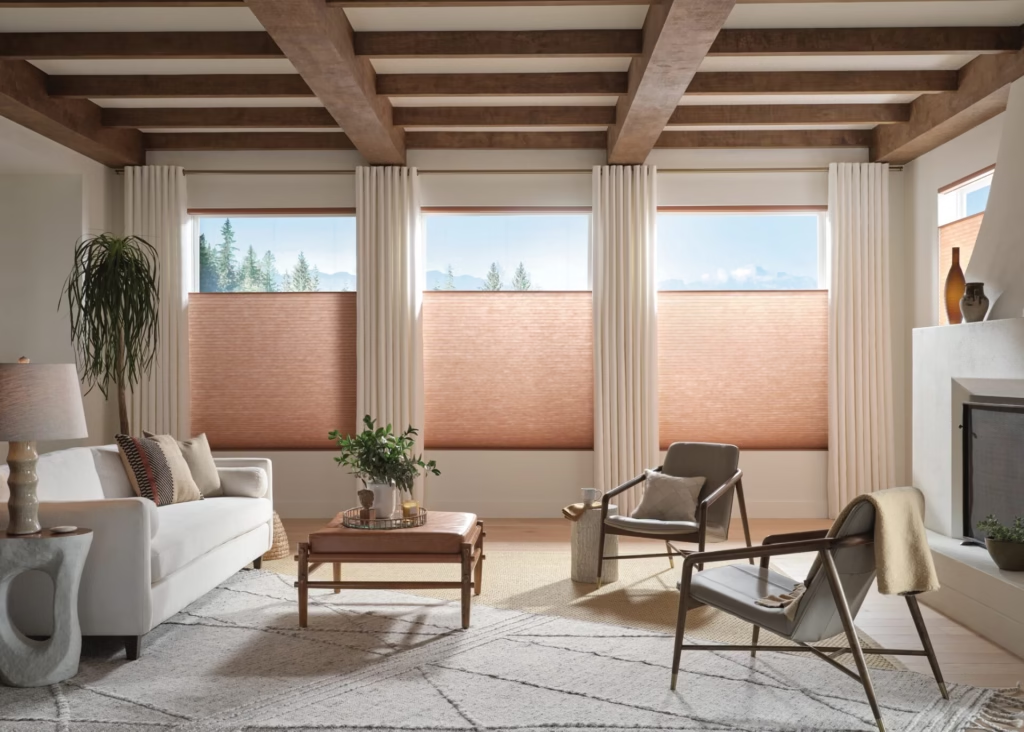
Window coverings are an important part of the lighting plan. Sheer shades can soften strong sunlight, adjustable blinds can redirect it, and room-darkening treatments can support sleep. Motorized shades make it easy to welcome morning light and create evening privacy on a schedule.
Daylight should be managed strategically rather than simply maximized. The DOE research found that daylight can support daytime circadian-lighting goals and reduce dependence on electric lighting, but its effectiveness varies with window proximity, viewing direction, shading, and room geometry.
When Should Circadian Lighting Be Planned?
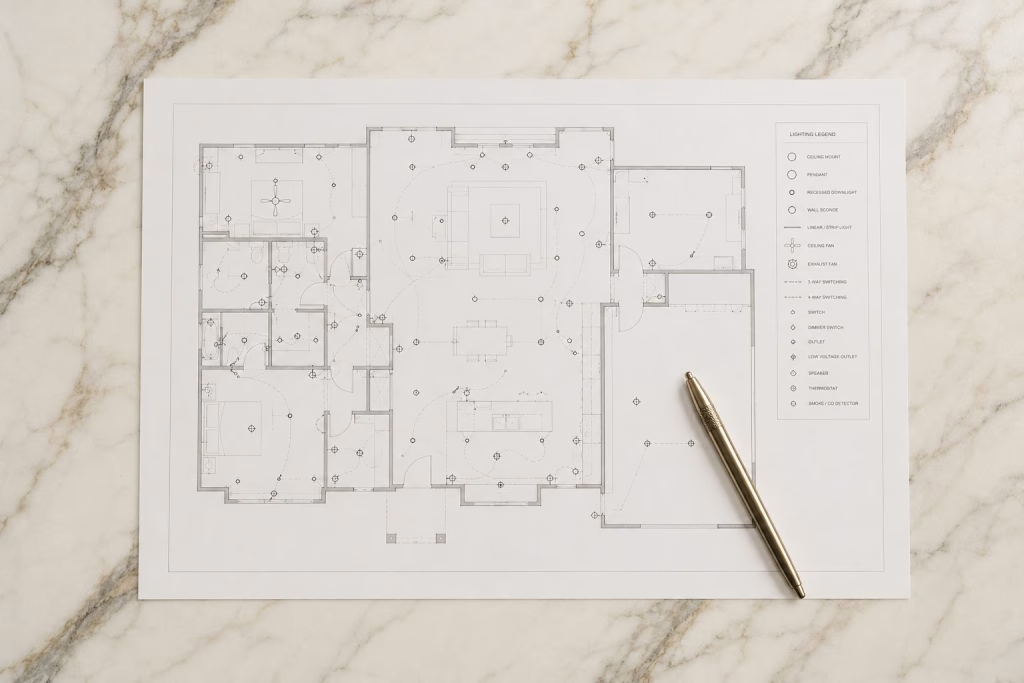
Plan lighting early in your remodel, before fixture locations, switches, cabinetry, and window treatments are finalized. Early coordination creates useful layers and can prevent costly electrical changes later.
There is no one-size-fits-all layout. A family that starts its day before sunrise has different needs than a household that stays up late. Room orientation, aging eyes, work schedules, mobility concerns, and individual light sensitivities can all shape the design.
Eheart Interior Solutions helps Northern Colorado homeowners coordinate lighting, interior finishes, window coverings, and remodeling decisions as one complete plan. If you are planning a kitchen, bathroom, home office, or whole-home remodel, schedule a free consultation with Eheart Interior Solutions. Together, we can create a lighting layout that feels beautiful, functions effortlessly, and supports the rhythm of your day.