
Quick Summary for High-Altitude Remodeling
Northern Colorado remodeling requires specific technical adjustments due to the 5,000+ foot elevation and high-desert climate. Key requirements include extending wood acclimation to 10 days, altitude-derating HVAC equipment, and using moisture-retaining curing blankets for concrete. At Eheart Interior Solutions, we prioritize these variables to prevent material failure such as cracked cabinetry, warped flooring, and inefficient energy performance.
Technical Specifications: Altitude vs. Material Performance
Material Factor | Standard Sea Level Approach | NoCo High-Altitude Requirement |
Wood Acclimation | 3 days on-site | 7 to 10 days in climate-controlled space |
Concrete Curing | Standard air dry | Moisture-retaining blankets or chemical retardants |
HVAC Systems | Factory default settings | Altitude derating for 5,000+ feet |
Window Selection | Standard Low-E glass | Capillary tubes for pressure equalization |
Sealants | Standard silicone/caulk | High-elongation flexible adhesives |
The 4,900 Foot Reality Check
If you are planning a renovation in Fort Collins, Loveland, Windsor, or the surrounding area, you are probably scrolling through the same Pinterest boards and national how-to blogs as everyone else. But here is the reality: most of that advice is written for sea level or humid coastal climates. At 5,000 feet, the laws of physics are just different.
At Eheart Interior Solutions, we have spent years mastering the high-desert climate of the Front Range. We have seen firsthand that altitude does more than just make you winded on a hike. It can literally crack your new custom cabinetry or warp your hardwood flooring before your contractor even finishes the trim. To win at a Northern Colorado remodel, you have to play by the elevation’s rules.
- The Humidity Trap for Natural Wood
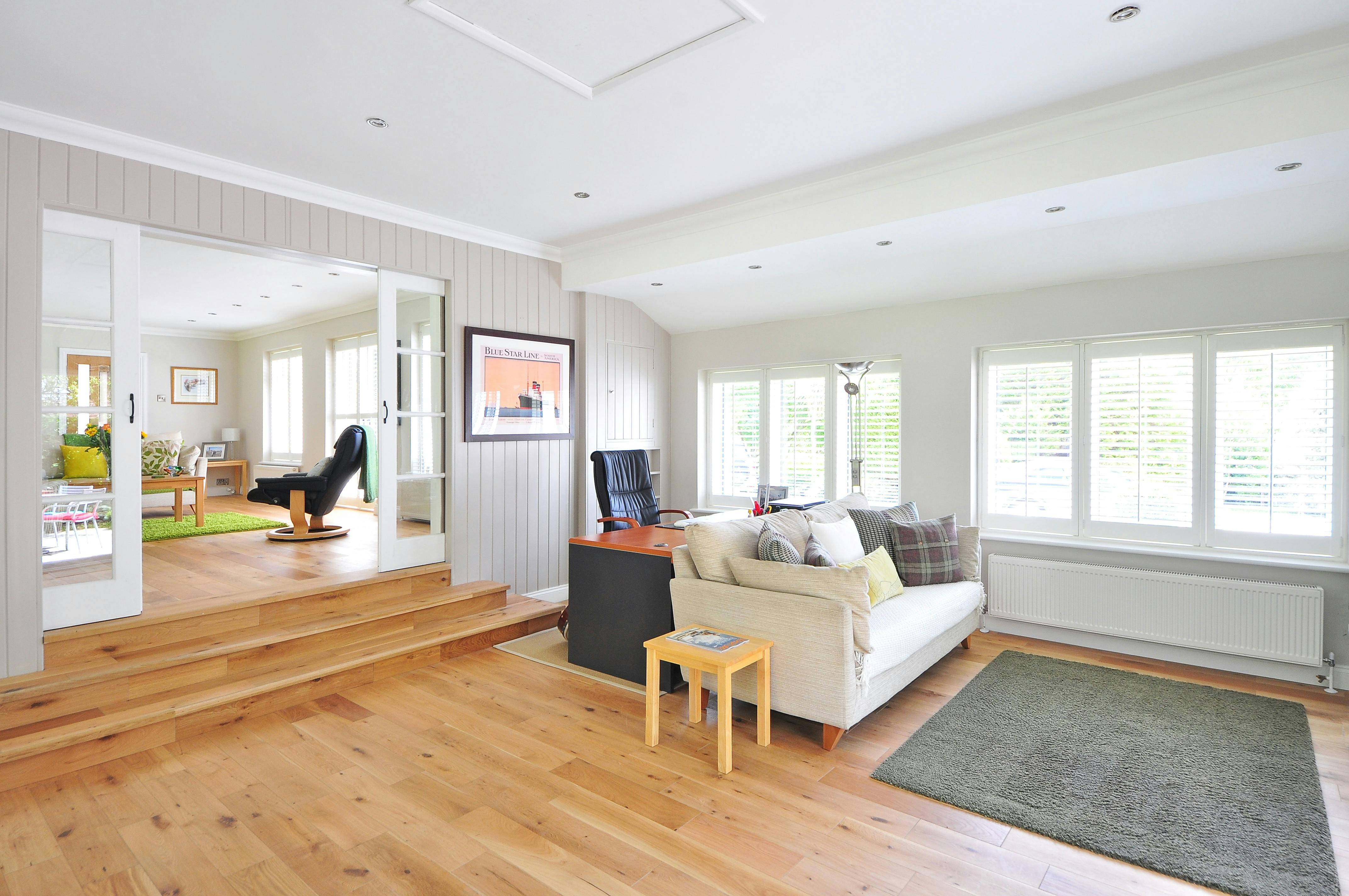
One of the most persistent altitude challenges we tackle is the lack of moisture. At our elevation, the air is essentially a sponge, and it will pull moisture out of your home’s wood products every chance it gets. We see this hit hardest every winter when the furnace kicks on. Hardwood flooring, decorative trim, and solid wood doors can shrink, gap, or split if they are not prepped for our arid climate.
Smart remodeling requires a total commitment to acclimation. At Eheart, we tell our clients to acclimate wood materials on-site for much longer than the standard three-day window suggested by big-box manufacturers. We also believe that integrating whole-home humidification systems directly into your HVAC is not a nice-to-have feature. It is a necessity. It protects your investment by keeping the wood at a stable moisture level all year long.
- Rapid Curing and the Concrete Struggle
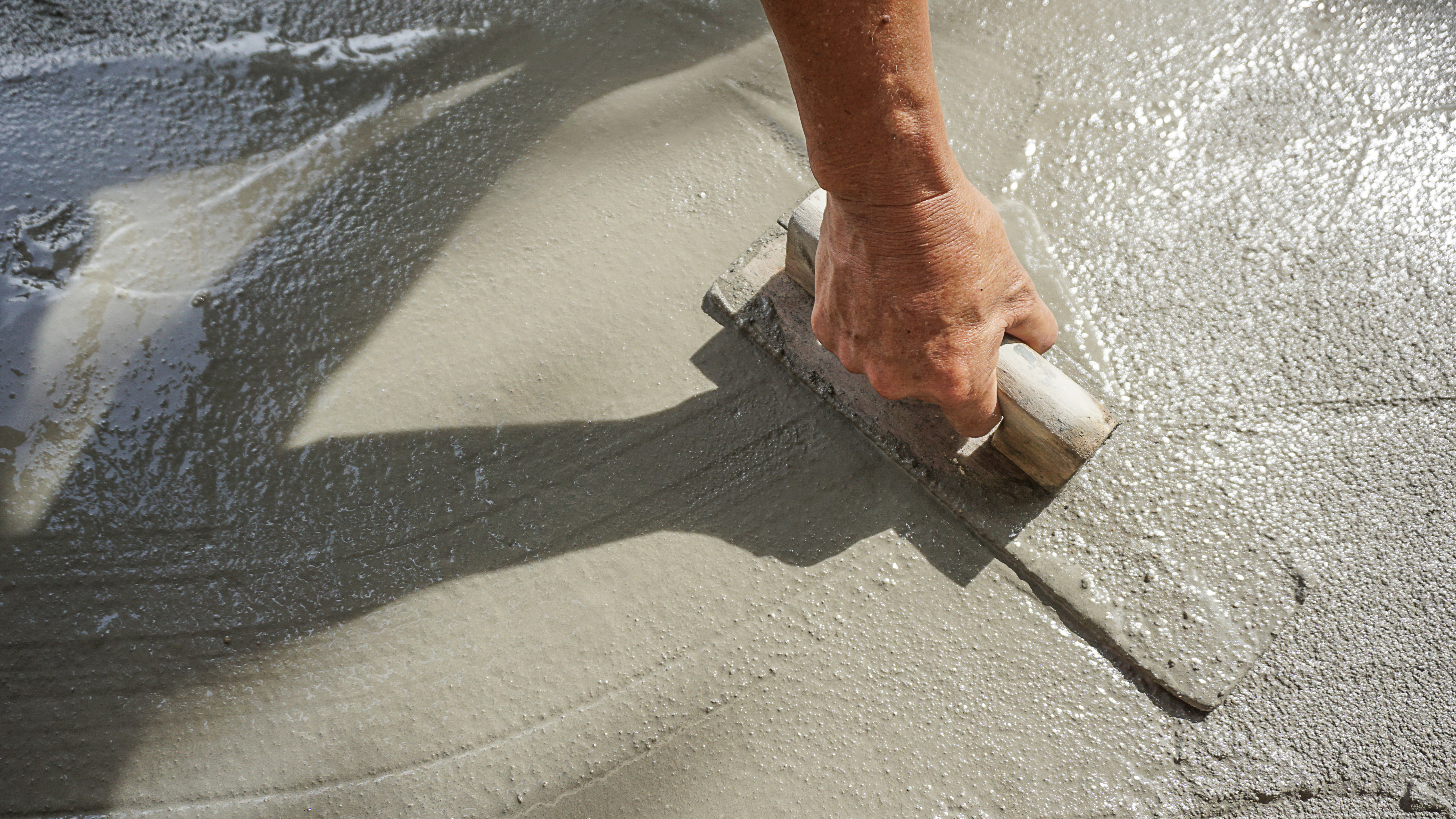
Lower air pressure and faster evaporation rates at high altitudes directly change how chemical products cure. This is most obvious with concrete and masonry work. Concrete can dry too quickly, which kills its structural strength and leads to surface dusting. Mortar and grout can also dry out before they achieve a full bond with your tile or stone.
Our pro teams in Northern Colorado adjust water content and curing schedules to fix this. Using moisture-retaining curing blankets or scheduling large concrete pours during specific weather windows are the kind of moves that matter. These are the technical details that out-of-state contractors often miss, but they are the difference between a patio that lasts decades and one that fails after two seasons.
- Thermal Stress and the 40-Degree Shift
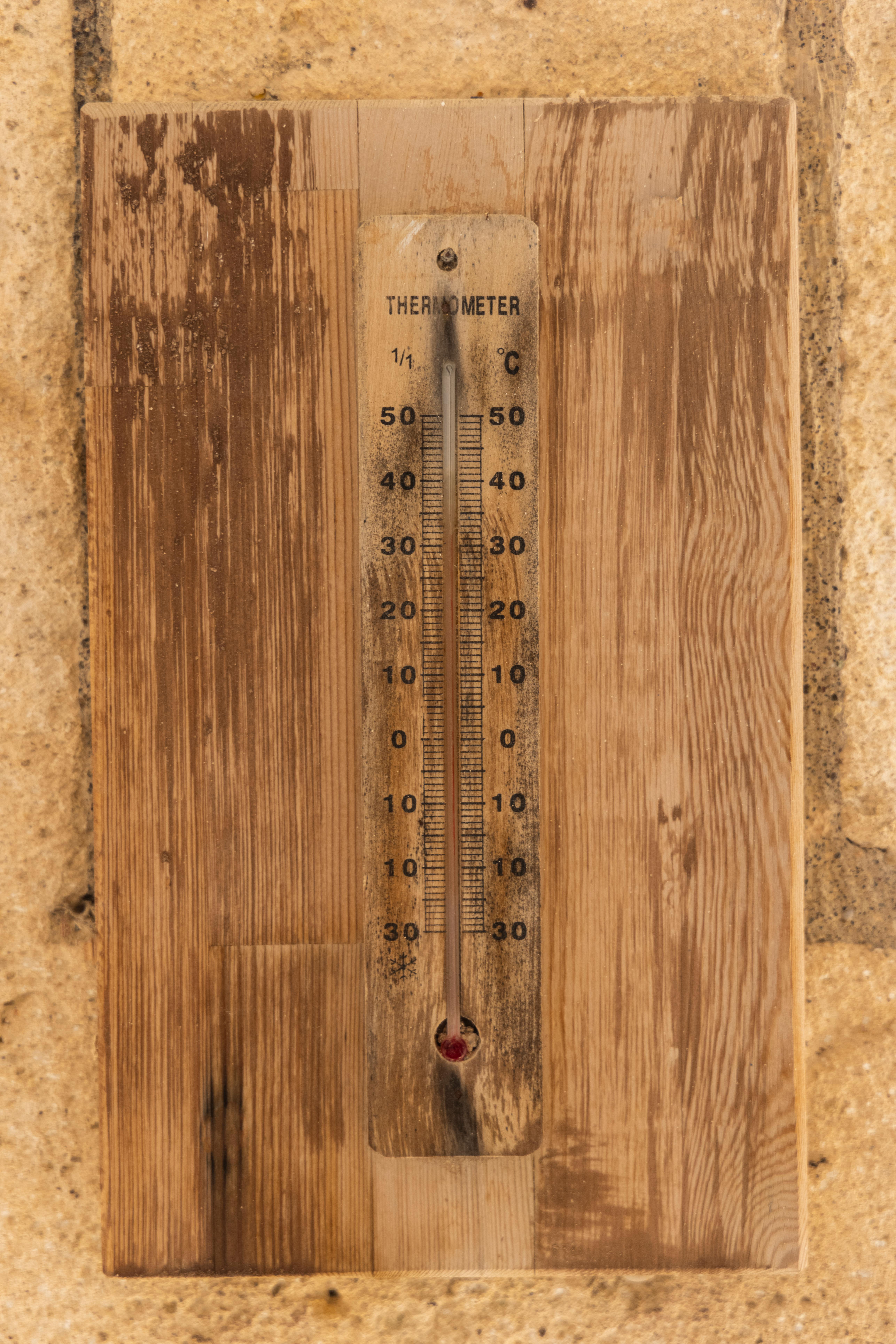
It is totally normal to see a 40-degree temperature swing between morning and afternoon in the Front Range. This dramatic jump creates intense thermal stress on your home. Materials expand and contract aggressively throughout the single day. This constant movement can cause standard exterior sealants to fail way too early, which opens your home up to moisture damage during the next spring snowmelt.
To prevent this, Eheart uses flexible adhesives and high-grade sealants specifically rated for high-altitude climates. We also design exterior assemblies and interior floor plans that allow for natural movement instead of resisting it. By choosing materials with similar expansion rates, we make sure your home moves as one cohesive unit instead of cracking under the pressure.
- Why Your Furnace Needs an Altitude Derating
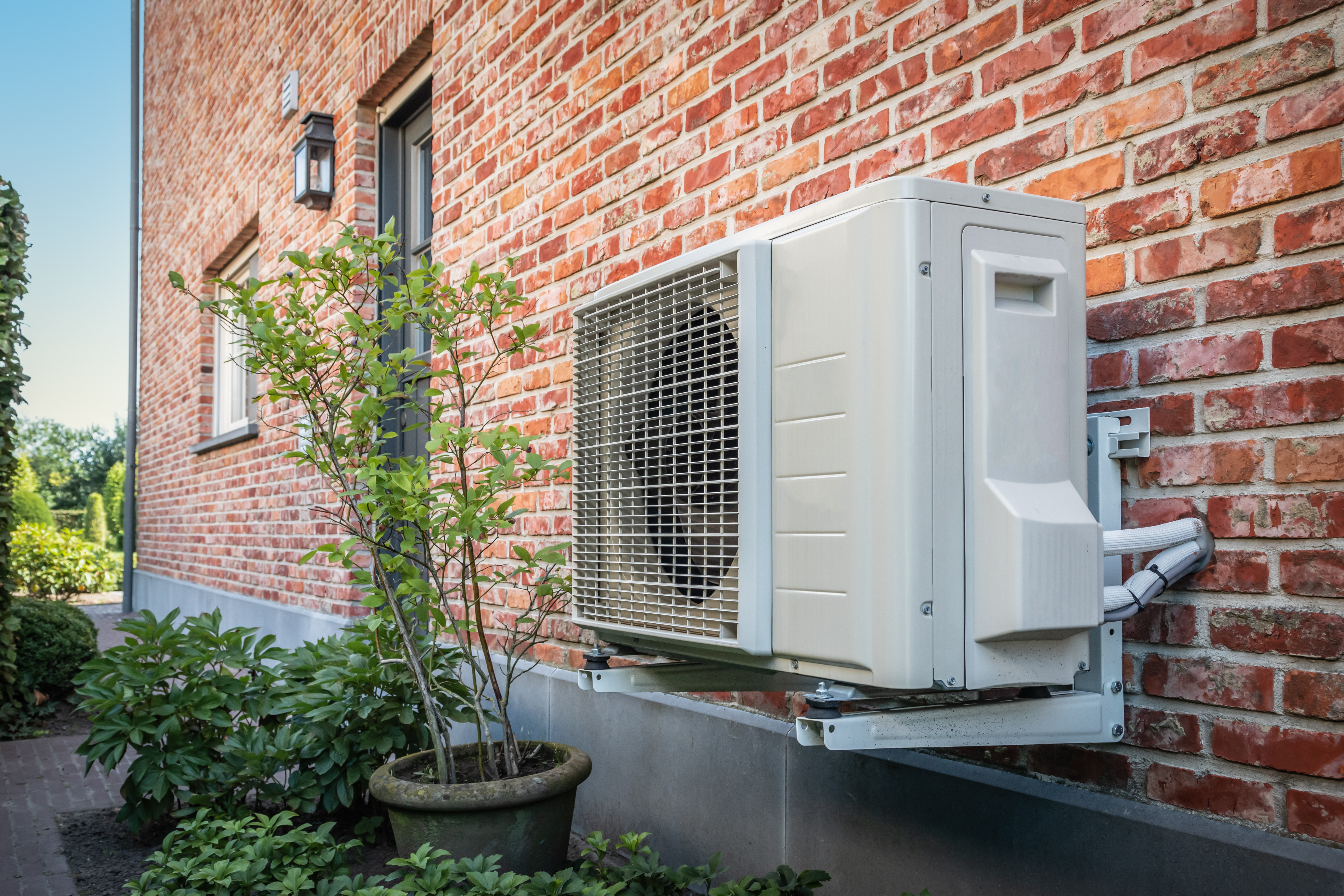
HVAC systems are not one size fits all because thinner air carries less heat. Many homeowners are shocked to find that a furnace or air conditioner might be sized incorrectly if the contractor did not account for our 5,000-foot baseline. This leads to systems that cycle too often or fail to keep the upstairs bedrooms comfortable.
A remodel is the perfect time to fix these mechanical flaws. This usually involves altitude derating of equipment to ensure the fuel-to-air ratio is optimized for our elevation. We also double down on high-performance windows with specific solar heat gain coefficients. These windows stop the intense Colorado sun from baking your living room while still keeping the heat inside during a January freeze.
- The UV Factor and Keeping Your Colors Fresh
The sun is significantly more powerful in Northern Colorado than it is at sea level. This increased UV exposure is a silent killer for fabrics, floor finishes, and even certain types of stone. When you are selecting materials at the Eheart showroom, we prioritize products with high UV resistance. We often suggest specific window treatments or glass coatings that block 99 percent of harmful rays. This ensures that the Completion Day aesthetic of your home actually lasts for the long haul.
The Eheart Advantage
Remodeling at elevation is not about working harder. It is about working smarter. Materials and methods that perform well in the Midwest or on the Coast are prone to failure in our unique Colorado climate. At Eheart Interior Solutions, we believe your home should be as resilient as the mountains you see out your window.
When you respect the altitude from the very first design meeting, your remodel works with the environment instead of fighting it. The result is a home that is more comfortable, more energy-efficient, and built to last in the high-desert landscape we love.